
Stinging Nettle Side Effects: What Men Should Know Before Taking It
In the realm of natural health, stinging Nettle Root (Urtica dioica) stands out as one of the most promising, yet often underrated, ingredients for men's prostate health. For centuries, various parts of the nettle plant have been utilized in traditional medicine, but it's the root that holds particular significance for conditions like benign prostatic hyperplasia (BPH) and overall urinary tract support. While its potential benefits are compelling, including its role in managing common urinary symptoms associated with an enlarged prostate, it's crucial for men to understand that, like any active compound, stinging nettle root can have side effects and interactions. This comprehensive guide aims to equip you with the knowledge needed to make informed decisions about incorporating stinging nettle root into your health regimen, ensuring both efficacy and safety.
What Is Stinging Nettle Root?
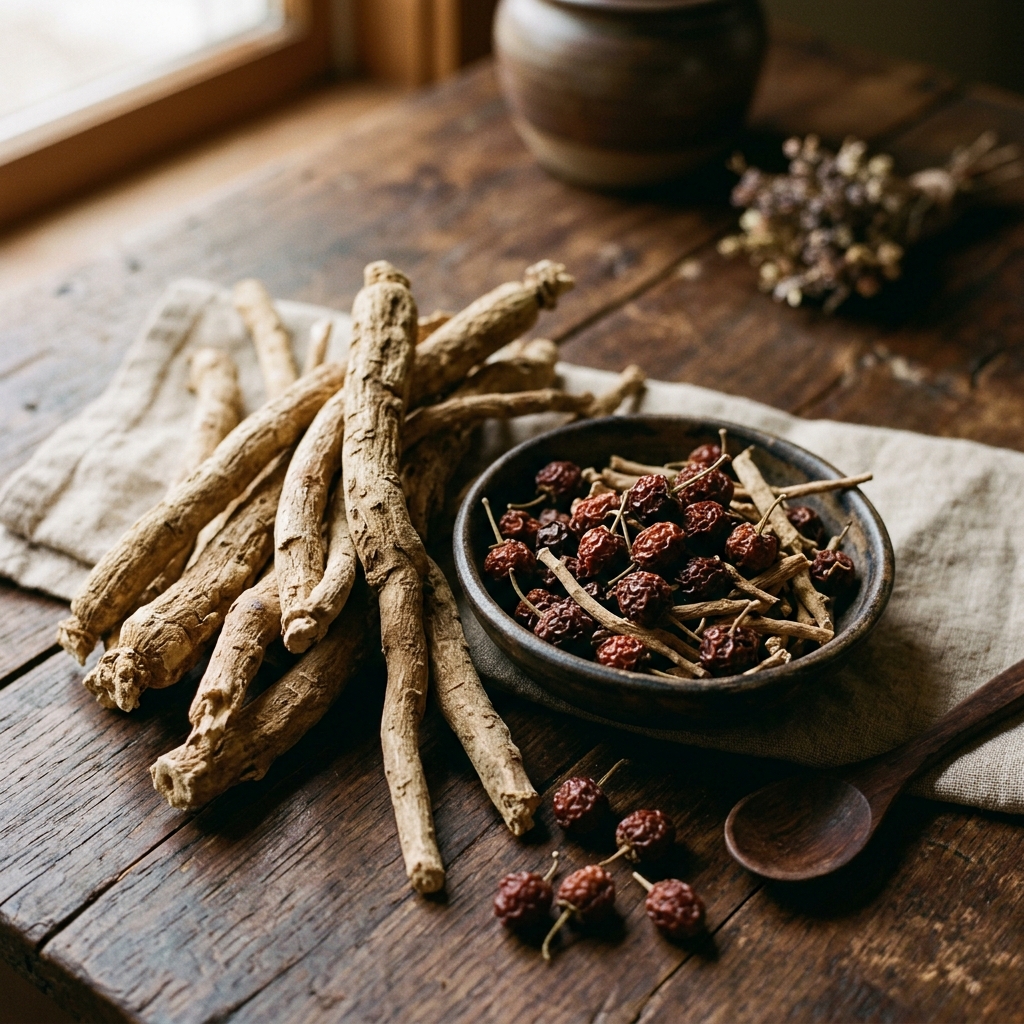
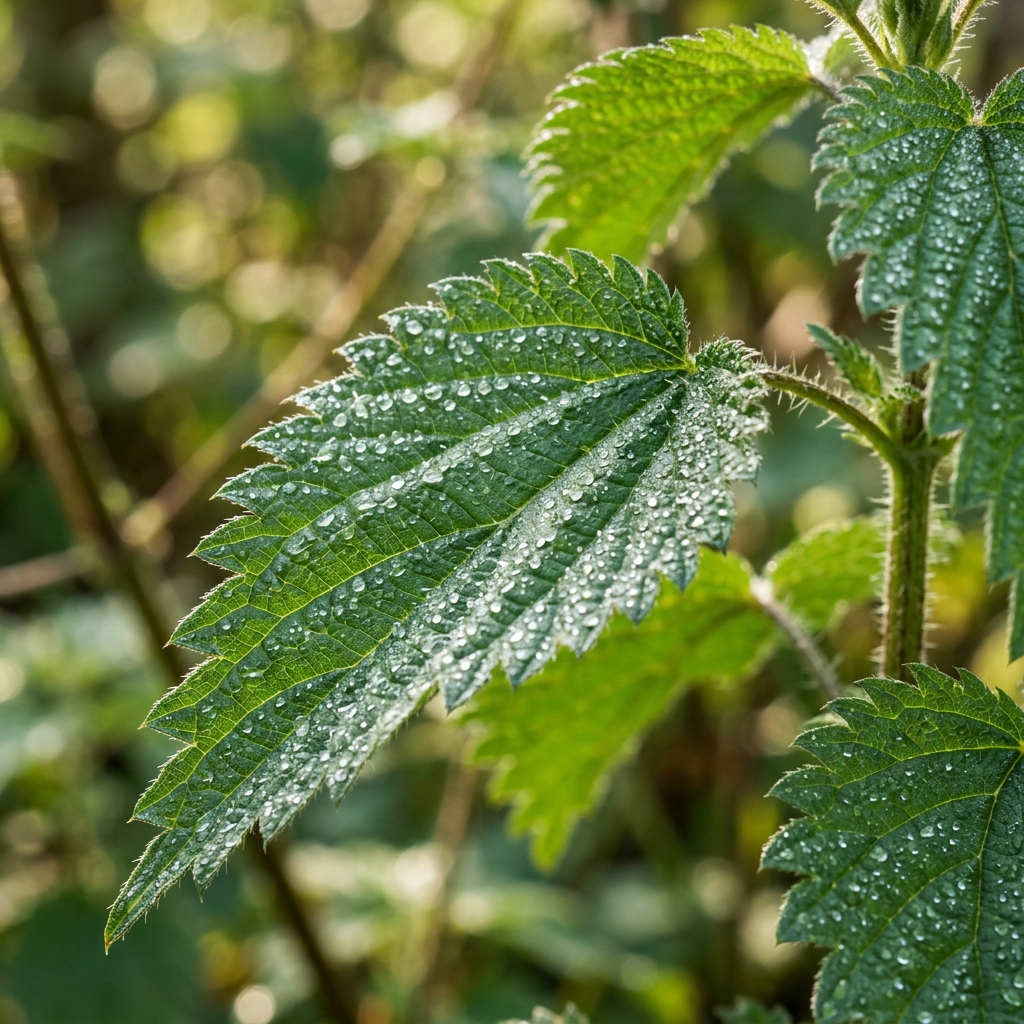
Stinging nettle, scientifically known as Urtica dioica, is a herbaceous perennial flowering plant native to Europe, Asia, northern Africa, and North America. While its leaves are infamous for their stinging hairs that release histamine upon contact, the plant's roots have been prized in herbal medicine for their distinct therapeutic properties, particularly for men's health.
Traditional healers have long used Nettle Root as a diuretic, an anti-inflammatory agent, and a remedy for various urinary complaints. Modern scientific inquiry has begun to unravel the complex mechanisms behind these traditional uses, revealing a rich tapestry of bioactive compounds. Nettle root is particularly abundant in phytosterols (like beta-sitosterol), lignans, polysaccharides, lectins, and fatty acids.
For prostate health, these compounds are believed to exert their effects through several pathways. Research suggests that nettle root may help inhibit the activity of enzymes involved in prostate growth, such as 5-alpha reductase, which converts testosterone into dihydrotestosterone (DHT) – a hormone implicated in BPH. Additionally, certain lignans in nettle root are thought to interact with Sex Hormone Binding Globulin (SHBG), potentially influencing the availability of free testosterone. Its anti-inflammatory properties can also help alleviate inflammation within the prostate gland, contributing to improved urinary function. These combined actions make nettle root a subject of significant interest for men seeking natural support for their prostate and urinary well-being.
Stinging Nettle Side Effects: The Full List
While stinging Nettle Root is generally considered safe for most individuals when taken orally in appropriate doses, it's not without potential side effects. Being aware of these can help you use it responsibly and identify any adverse reactions promptly.
Common and Mild Side Effects
Most reported side effects are mild and transient, often resolving as the body adjusts to the supplement or with a reduction in dosage. These can include:
- Gastrointestinal Distress: This is perhaps the most common category of side effects. Some individuals may experience stomach upset, nausea, diarrhea, or constipation. Taking nettle root with food can often mitigate these issues.
- Skin Reactions: While topical contact with fresh nettle leaves causes stinging and rash, oral consumption of nettle root rarely leads to significant skin issues. However, mild allergic reactions, such as a rash or hives, are possible in sensitive individuals.
Less Common and More Serious Side Effects
More significant concerns primarily revolve around nettle root's interactions with medications and its physiological effects, particularly in individuals with pre-existing health conditions.
Drug Interactions
Stinging nettle root can interact with several types of medications, potentially altering their effects. It's crucial to consult your doctor before taking nettle root if you are on any of the following:
- Blood Thinners (Anticoagulants/Antiplatelets): Nettle root contains vitamin K, which plays a role in blood clotting. While the amount may not be sufficient to significantly counteract anticoagulant medications like warfarin (Coumadin), it could theoretically interfere, increasing the risk of blood clots. Conversely, its diuretic properties might also increase the risk of bleeding in some individuals, particularly when combined with medications like aspirin or clopidogrel.
- Diuretics (Water Pills): As a natural diuretic, nettle root can enhance the effects of prescription diuretics. This could lead to excessive fluid loss, dehydration, and an imbalance of electrolytes, such as potassium.
- Blood Pressure Medications (Antihypertensives): Nettle root has been observed to have a mild blood pressure-lowering effect. Combining it with antihypertensive drugs could lead to an excessive drop in blood pressure (hypotension), causing dizziness or fainting.
- Diabetes Medications: Some studies suggest nettle root may lower blood sugar levels. If you are taking insulin or oral hypoglycemic agents, combining them with nettle root could lead to hypoglycemia (dangerously low blood sugar).
- Lithium: Nettle root's diuretic action could potentially reduce the body's ability to excrete lithium, leading to increased lithium levels and potential toxicity.
Other Concerns
- Allergic Reactions: Though rare, severe allergic reactions (anaphylaxis) can occur, characterized by difficulty breathing, swelling of the face or throat, and a rapid drop in blood pressure. Seek immediate medical attention if these symptoms arise.
- Impact on Blood Sugar and Blood Pressure: Even without medication, individuals with diabetes or high blood pressure should monitor their levels closely when taking nettle root, as it can influence both.
- Kidney Health: While nettle root is often used as a mild diuretic and is generally considered safe for healthy kidneys, individuals with pre-existing kidney disease or compromised kidney function should exercise caution. Its diuretic effect could potentially strain already weakened kidneys. Always consult a nephrologist or your primary care physician before using nettle root if you have a kidney condition. (See also: FAQ on kidney safety).
- Pregnancy and Breastfeeding: Nettle root is generally not recommended for pregnant or breastfeeding women due to potential uterine stimulation and lack of sufficient safety data.
Always disclose all supplements, including stinging nettle root, to your healthcare provider to ensure it's safe and appropriate for your individual health profile, especially if you have chronic health conditions or are taking prescription medications.
How to Use Stinging Nettle for Enlarged Prostate
For men grappling with the symptoms of an enlarged prostate, or Benign Prostatic Hyperplasia (BPH), stinging Nettle Root offers a natural avenue for support. However, proper usage, dosage, and understanding its mechanism are key to maximizing its benefits while minimizing potential risks.
Understanding BPH and Nettle Root's Role
BPH is a common condition in aging men, characterized by the non-cancerous enlargement of the prostate gland. This enlargement can press on the urethra, leading to bothersome urinary symptoms such as frequent urination, urgency, a weak stream, and nocturia (waking up at night to urinate). You can learn more about nocturia causes and treatment for men to understand the broader context of these symptoms.
Nettle root is believed to address BPH symptoms through several mechanisms:
- Hormonal Modulation: It may inhibit the enzyme 5-alpha reductase, reducing the conversion of testosterone to DHT, a hormone that stimulates prostate growth.
- Anti-inflammatory Effects: Nettle root contains compounds that can reduce inflammation in the prostate, which is often a contributing factor to BPH symptoms.
- SHBG Binding: Certain lignans in nettle root can bind to Sex Hormone Binding Globulin (SHBG), potentially reducing its binding to testosterone, which might indirectly support healthy prostate cell function.
- Diuretic Action: Its mild diuretic properties can help flush the urinary tract, potentially reducing urinary stasis and discomfort.
Dosage and Forms
Stinging nettle root is most commonly available in standardized extracts, capsules, or as a dried root for teas. For prostate health, extracts are generally preferred due to their concentrated levels of active compounds.
- Standardized Extracts: Look for products standardized to specific compounds, such as lignans or beta-sitosterol. Typical dosages range from 300 mg to 600 mg daily, often divided into two doses. Always follow the specific instructions on the product label, as concentrations can vary.
- Dried Root/Tea: While teas made from nettle root can be consumed, achieving therapeutic doses for prostate issues through tea alone can be challenging due to varying potency.
Duration of Use and Expectation of Results
Like many natural remedies, stinging nettle root doesn't offer an overnight fix. Consistency is crucial, and it may take time to observe noticeable improvements in BPH symptoms. Many men report experiencing benefits after 6 to 8 weeks of consistent use, with more significant improvements possibly taking 3 to 6 months. For details on how long it takes to work, refer to the FAQ section.
Important Considerations
- Medical Diagnosis: Before self-treating with nettle root, it is essential to receive a proper diagnosis from a healthcare professional. Urinary symptoms can be indicative of various conditions, including prostate cancer, which requires different medical management.
- Consult Your Doctor: Always discuss your intention to use nettle root with your physician, especially if you have underlying health conditions or are taking other medications, to avoid potential interactions or adverse effects.
- Quality Matters: Choose high-quality supplements from reputable manufacturers to ensure purity, potency, and safety.
Stinging Nettle and Testosterone
The relationship between stinging Nettle Root and testosterone is a topic of considerable interest among men, particularly those seeking to optimize their hormonal balance naturally. While nettle root is not a direct testosterone booster in the same vein as synthetic hormones, it may play a supportive role in influencing the availability and utilization of testosterone within the body.
The Role of SHBG
One of the primary mechanisms by which nettle root is thought to influence testosterone is through its interaction with Sex Hormone Binding Globulin (SHBG). SHBG is a protein produced by the liver that binds to sex hormones, including testosterone, dihydrotestosterone (DHT), and estradiol. When testosterone is bound to SHBG, it becomes largely inactive and unavailable for use by the body's cells. This is often referred to as 'bound testosterone.'
Nettle root contains specific lignans, such as secoisolariciresinol, which research suggests can bind to SHBG. By binding to SHBG, these lignans may reduce the amount of SHBG available to bind with testosterone. The theoretical outcome is an increase in free testosterone – the biologically active form of testosterone that is available to tissues and cells throughout the body. Free testosterone is responsible for many of the functions attributed to this hormone, including muscle mass, libido, energy levels, and mood.
Aromatase Inhibition
Another potential mechanism involves the enzyme aromatase. Aromatase is responsible for converting testosterone into estrogen. Some preliminary research indicates that certain compounds within stinging nettle root may possess mild aromatase-inhibiting properties. By potentially reducing the conversion of testosterone to estrogen, nettle root could help maintain a more favorable testosterone-to-estrogen ratio, further supporting overall hormonal balance.
Important Considerations
- Not a Direct Booster: It's crucial to understand that nettle root is unlikely to significantly increase total testosterone production. Instead, its potential benefit lies in optimizing the availability of existing testosterone by reducing its binding to SHBG and potentially mitigating its conversion to estrogen.
- Individual Variation: The extent to which nettle root impacts an individual's free testosterone levels can vary depending on factors such as age, overall health, and baseline hormone levels.
- Further Research: While the mechanisms are biologically plausible and supported by some in vitro and animal studies, more robust human clinical trials are needed to definitively establish the degree and consistency of nettle root's effects on testosterone levels in men.
For men concerned about their testosterone levels, a comprehensive approach involving a balanced diet, regular exercise, adequate sleep, and medical consultation is always recommended. Nettle root can be considered a supportive supplement within this broader strategy. For answers to specific questions like "Can nettle root raise testosterone?", please refer to our FAQ section.
Nettle Root vs. Nettle Leaf
While both the root and the leaf of the Urtica dioica plant come from the same source, they are distinct in their chemical composition, traditional uses, and specific health benefits. Understanding these differences is crucial for selecting the appropriate part of the plant for your health goals.
Nettle Leaf (Urtica dioica folium)
- Primary Uses: Nettle leaf is renowned for its diverse applications, primarily as a diuretic, anti-inflammatory, and antihistamine. It is commonly used to address:
- Allergies: Often consumed as a tea or supplement to help alleviate seasonal allergy symptoms like sneezing and itching, thanks to its antihistamine properties.
- Joint Pain and Arthritis: Its anti-inflammatory compounds are beneficial for reducing pain and inflammation associated with conditions like osteoarthritis and rheumatoid arthritis.
- Urinary Tract Health: As a diuretic, nettle leaf tea helps flush the urinary tract and is often used to support kidney function and prevent urinary tract infections.
- Hair and Skin Health: Rich in vitamins and minerals, it's also used in topical applications for hair growth and to improve skin conditions.
- Active Compounds: Nettle leaf contains a different profile of active compounds, including flavonoids (like quercetin and kaempferol), carotenoids, vitamins (A, C, K), minerals (iron, calcium, magnesium), and histamines (which are responsible for the initial sting but also contribute to some medicinal effects when processed).
Nettle Root (Urtica dioica radix)
- Primary Uses: Nettle root's therapeutic focus is predominantly on men's prostate health and associated urinary symptoms. Its main applications include:
- Benign Prostatic Hyperplasia (BPH): This is the most well-researched and established use of nettle root. It helps alleviate symptoms like frequent urination, urgency, and weak urine flow by influencing prostate cell growth and reducing inflammation.
- Urinary Tract Support: Beyond BPH, it supports overall urinary tract function, acting as a mild diuretic and helping to improve urine flow.
- Hormonal Balance: As discussed, it may influence free testosterone levels by interacting with Sex Hormone Binding Globulin (SHBG).
- Active Compounds: Nettle root contains a higher concentration of phytosterols (especially beta-sitosterol), lignans, polysaccharides, and scopoletin, which are believed to be responsible for its prostate-specific effects.
Key Differences Summarized
| Feature | Nettle Leaf | Nettle Root |
| :--------------- | :------------------------------------------ | :---------------------------------------------- |
| Primary Focus | Allergies, joint pain, general diuretic | Prostate health (BPH), urinary symptoms, hormonal support | | Key Compounds| Flavonoids, vitamins, minerals, histamines | Phytosterols, lignans, polysaccharides | | Mechanism | Anti-inflammatory, antihistamine, diuretic | 5-alpha reductase inhibition, SHBG binding, anti-inflammatory |
In essence, while both parts of the stinging nettle plant are medicinal, they target different health concerns due to their distinct biochemical compositions. For men specifically looking for prostate support, nettle root is the part of choice. For a more direct answer to "Is nettle root the same as nettle leaf?", please consult the FAQ section.
Why ProstaVive Combines Nettle Root With Saw Palmetto
For men seeking comprehensive support for prostate health, the approach often extends beyond a single ingredient. This is where the concept of synergistic formulations comes into play. ProstaVive, for instance, leverages the combined power of key natural compounds, prominently featuring both stinging Nettle Root and saw palmetto, alongside other beneficial ingredients.
The Synergy of Nettle Root and Saw Palmetto
Nettle root and saw palmetto (Serenoa repens) are arguably two of the most well-researched herbal remedies for benign prostatic hyperplasia (BPH) and general prostate health. While each offers significant benefits independently, their combination is often considered more effective due to their complementary mechanisms of action:
-
Saw Palmetto's Primary Role: Saw palmetto extract is primarily known for its ability to inhibit the enzyme 5-alpha reductase, which converts testosterone into dihydrotestosterone (DHT). DHT is a potent androgen that plays a significant role in prostate growth and enlargement. By reducing DHT levels within the prostate, saw palmetto can help slow prostate growth and alleviate BPH symptoms like urinary frequency and urgency.
-
Nettle Root's Complementary Actions: As discussed, nettle root also exhibits 5-alpha reductase inhibitory activity, but it brings additional benefits to the table:
- SHBG Modulation: Its lignans can bind to Sex Hormone Binding Globulin (SHBG), potentially increasing the amount of free, active testosterone. This helps maintain a healthier hormonal balance within the prostate.
- Anti-inflammatory Effects: Nettle root's anti-inflammatory compounds help reduce prostate inflammation, which is often a significant contributor to BPH symptoms and discomfort.
- Urinary Flow Improvement: Its mild diuretic properties can aid in flushing the urinary tract, further supporting healthy urine flow and reducing residual urine volume.
By combining these two powerful ingredients, ProstaVive aims to address BPH and prostate health from multiple angles: reducing DHT-driven growth, mitigating inflammation, optimizing hormonal balance, and improving urinary function. This multi-faceted approach can lead to more comprehensive relief from bothersome symptoms.
The Role of Other Key Ingredients
Beyond nettle root and saw palmetto, many effective prostate supplements, including ProstaVive, incorporate other evidence-backed nutrients to further enhance prostate support. One such crucial mineral is Zinc. You can learn more about zinc for prostate health and its vital role in immune function, hormone metabolism, and prostate cell health.
Ingredients like pygeum, lycopene, and various vitamins often round out these formulations, each contributing unique benefits to support prostate health, antioxidant defense, and overall male vitality. The goal is to create a holistic supplement that not only targets specific symptoms but also promotes long-term prostate wellness.
Choosing a high-quality, well-formulated supplement like ProstaVive that combines these synergistic ingredients can be a strategic step for men committed to maintaining optimal prostate health and enjoying a better quality of life as they age.
Frequently Asked Questions
Is stinging nettle root safe for kidneys?↓
Stinging nettle root is generally considered safe for healthy kidneys and is even traditionally used as a diuretic to help flush the urinary tract. However, if you have pre-existing kidney disease or compromised kidney function, caution is advised. Its diuretic effect could potentially put additional strain on weakened kidneys. Always consult your doctor or a nephrologist before taking nettle root if you have any kidney conditions or are on medications affecting kidney function.
Can nettle root raise testosterone?↓
Nettle root is not a direct testosterone booster. Instead, it is thought to influence the *availability* of testosterone. Its lignans may bind to Sex Hormone Binding Globulin (SHBG), a protein that binds to testosterone and makes it inactive. By potentially reducing SHBG's binding to testosterone, nettle root could theoretically increase levels of 'free' (biologically active) testosterone. Some research also suggests it might inhibit the conversion of testosterone to estrogen. More human studies are needed to confirm the extent of these effects.
How long does nettle root take to work for prostate?↓
Like many natural remedies for prostate health, stinging nettle root doesn't provide immediate results. Most men begin to notice improvements in urinary symptoms associated with BPH (Benign Prostatic Hyperplasia) after 6 to 8 weeks of consistent daily use. For more significant or sustained benefits, it may take 3 to 6 months. It's crucial to take the supplement regularly as directed and to discuss your progress with your healthcare provider.
Is nettle root the same as nettle leaf?↓
No, nettle root and nettle leaf are not the same, although they come from the same plant (*Urtica dioica*). They have different chemical compositions and are traditionally used for different health purposes. Nettle root is primarily used for prostate health (BPH) and urinary issues due to its concentration of phytosterols and lignans. Nettle leaf, on the other hand, is known for its use in allergies, joint pain, and as a general diuretic, containing more flavonoids, vitamins, and minerals.
Can I take nettle root every day?↓
For most healthy men seeking prostate support, nettle root can generally be taken daily within recommended dosages. Many studies on BPH involve daily supplementation over several months. However, it is essential to consult with a healthcare professional before starting any new supplement, especially if you have underlying health conditions, are taking prescription medications (like blood thinners, diuretics, or blood pressure medications), or if you experience any adverse side effects. They can help determine the appropriate dosage and ensure it's safe for your individual health profile.