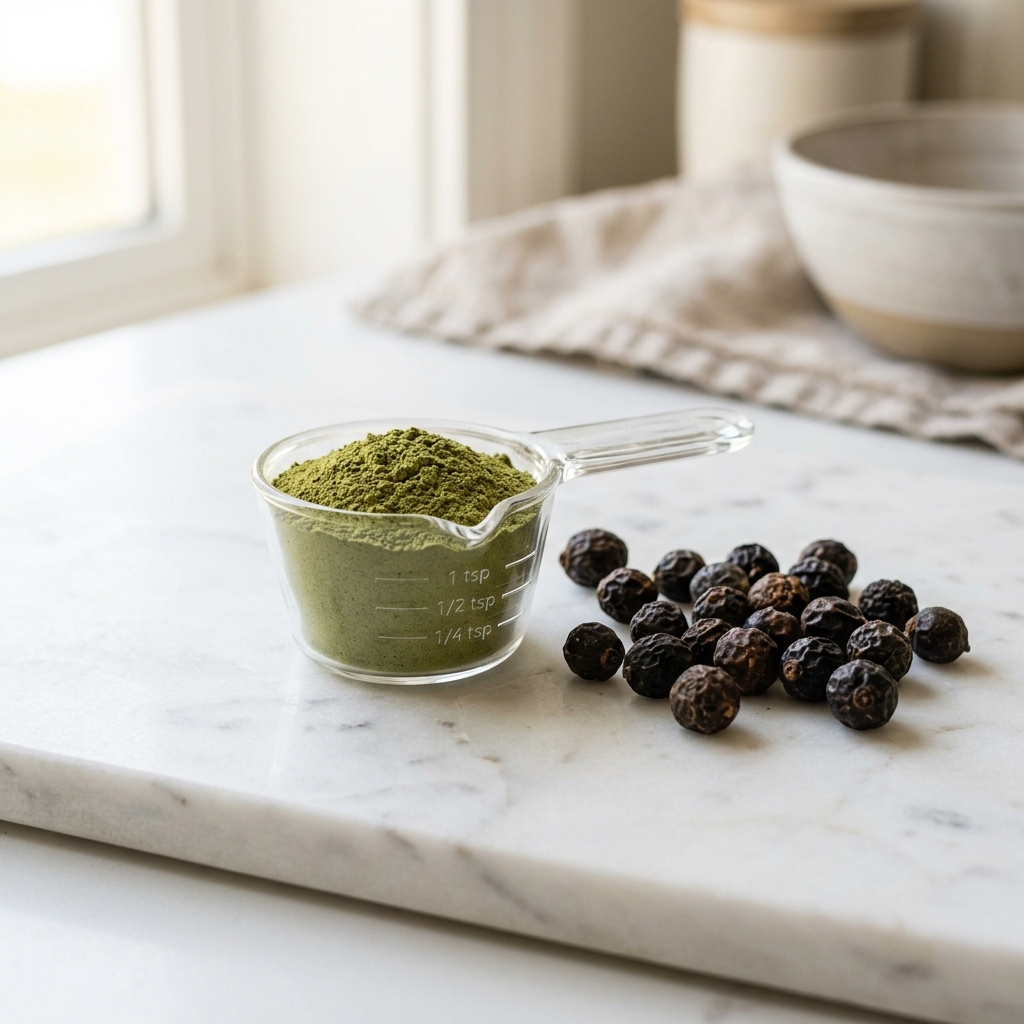

Saw palmetto (Serenoa repens) has long been revered in the realm of natural health, particularly for its potential benefits in supporting prostate health and urinary function in men. As interest in herbal remedies grows, so does the critical need for accurate information regarding their proper use. Understanding the correct dosage is paramount to achieving therapeutic effects while minimizing any potential risks.
The clinically effective dose of saw palmetto is 320mg/day of a standardized liposterolic extract, typically containing 85-95% fatty acids and sterols. This specific formulation and dosage have been the focus of numerous scientific studies, demonstrating its efficacy and safety profile. Navigating the world of supplements can be complex, especially with varying product concentrations and formulations. This article will delve into the recommended dosages, explore common questions, and guide you toward making informed decisions about incorporating saw palmetto into your health regimen.
The Clinically Studied Dose
The scientific consensus points to a very specific dosage and type of saw palmetto extract as being most effective. Clinical trials investigating saw palmetto's impact on conditions like Benign Prostatic Hyperplasia (BPH) have consistently utilized a 320mg daily dose of a liposterolic extract, standardized to contain 85-95% fatty acids and sterols.
Why Standardization Matters
Not all saw palmetto supplements are created equal. The term "standardized liposterolic extract" is crucial. It means that the extract has been processed to ensure a consistent concentration of the active compounds – primarily fatty acids and phytosterols – which are believed to be responsible for saw palmetto's therapeutic effects. Without standardization, a product might contain saw palmetto powder but lack the necessary concentration of active ingredients to be effective, regardless of the stated milligram amount on the label.
These active compounds are thought to work by inhibiting 5-alpha reductase, an enzyme that converts testosterone into dihydrotestosterone (DHT), a hormone implicated in prostate enlargement. By moderating DHT levels and potentially possessing anti-inflammatory properties, saw palmetto can help alleviate common urinary symptoms associated with BPH, such as frequent urination, weak stream, and nocturia (nighttime urination). For a deeper dive into the specific mechanisms and benefits, explore our comprehensive guide on saw palmetto.
Adhering to this clinically studied dose ensures you are taking a quantity that has been proven effective in research settings. Deviating significantly from this standard without professional guidance may lead to suboptimal results or, in rare cases, an increased likelihood of mild saw palmetto side effects in men.
Is 1000mg of Saw Palmetto Too Much?
Given the clinically studied dose of 320mg/day, the prospect of taking 1000mg of saw palmetto can seem excessive. The short answer is: while 1000mg of a high-quality, standardized saw palmetto extract is generally not recommended and likely unnecessary, it's more complex than a simple 'yes' or 'no.'
The Concept of a Therapeutic Window
Many supplements and medications operate within a 'therapeutic window' – a range where they are most effective and safest. For saw palmetto, 320mg of a standardized liposterolic extract appears to fall squarely within this window. Increasing the dose significantly beyond this, such as to 1000mg, does not typically lead to greater efficacy and may not provide additional benefits for prostate health or urinary symptoms.
Potential Issues with Higher Doses
- Diminishing Returns: Research has not shown that higher doses of standardized saw palmetto extract yield superior results compared to the 320mg dose. The body may simply excrete any excess active compounds, or the receptors involved in its action may become saturated, meaning additional intake offers no further advantage.
- Increased Cost: Higher doses mean consuming more of the supplement, which translates to a higher financial cost without a proportional increase in benefit.
- Misleading Labels: Sometimes, products labeled with very high milligram amounts (e.g., 1000mg) are not standardized extracts. They might contain raw saw palmetto berry powder, which has a much lower concentration of active fatty acids and sterols. In such cases, 1000mg of raw powder might deliver fewer active compounds than 320mg of a properly standardized extract. Always check the label for standardization (e.g., "standardized to 85-95% fatty acids").
- Side Effect Profile: While saw palmetto is generally well-tolerated, higher doses could theoretically increase the likelihood or intensity of mild side effects, such as digestive upset (nausea, diarrhea), headache, or dizziness, though these are rare even at higher doses. It's important to consult with a healthcare provider before significantly exceeding recommended dosages, especially if you are taking other medications or have underlying health conditions.
When to Take Saw Palmetto: Morning or Night?
The timing of your saw palmetto dose is generally flexible, and there isn't a strict rule dictating morning or night. The most important factor is consistency. However, some considerations might influence your preferred timing.
Flexibility and Consistency are Key
For saw palmetto to be effective, it needs to be taken consistently every day. Whether you choose to take it in the morning or at night, or even split the dose, the primary goal is to maintain steady levels of the active compounds in your system over time. Many people find it easiest to incorporate supplements into their daily routine by taking them at the same time each day, such as with breakfast or dinner.
Splitting the Dose
Some individuals choose to split the 320mg daily dose into two smaller doses, for example, 160mg in the morning and 160mg in the evening. This approach can help maintain more consistent blood levels of the active compounds throughout the day. It might also be beneficial for those who experience mild digestive sensitivity, as smaller doses can sometimes be better tolerated. However, there is no strong evidence to suggest that splitting the dose significantly enhances efficacy compared to taking the full 320mg once daily.
With Food or Without?
It is generally recommended to take saw palmetto with food. While saw palmetto is typically well-tolerated, taking it on an empty stomach can sometimes lead to mild gastrointestinal upset, such as nausea or indigestion. Consuming it with a meal or a snack can help buffer these potential effects.
Addressing Nocturia
For men primarily concerned with nighttime urinary frequency (nocturia), which is a common symptom of BPH, the timing might seem relevant. However, saw palmetto's action is not immediate; it works cumulatively over time to improve overall urinary function rather than providing acute relief for a single night. Therefore, taking it at night specifically to reduce nighttime urination might not offer a direct, immediate benefit. Consistent daily intake, regardless of morning or night, is what ultimately helps manage symptoms like nocturia over the long term. Choose the time that best fits your lifestyle to ensure consistent adherence.
How Long to Take Saw Palmetto
Patience and persistence are essential when it comes to experiencing the full benefits of saw palmetto. Unlike some medications that provide immediate relief, herbal supplements like saw palmetto work gradually by supporting the body's natural processes over time. Therefore, understanding the timeline for results is crucial for managing expectations and maintaining adherence.
Expect Gradual Improvements
Most clinical studies and anecdotal evidence suggest that it can take a significant period before noticeable improvements are experienced. Typically, individuals may need to take saw palmetto consistently for at least 1 to 3 months before observing a reduction in BPH symptoms such as urinary frequency, urgency, or weak stream. For some, it might take even longer, up to 6 months, to experience the full spectrum of benefits.
This gradual onset of action is characteristic of how saw palmetto influences hormonal pathways and inflammatory responses related to prostate health. It's not a quick fix but rather a long-term supportive therapy.
Consistency is Non-Negotiable
Skipping doses or inconsistent use can delay or diminish the potential benefits. To give saw palmetto the best chance to work, it must be taken daily at the recommended dose (320mg of a standardized liposterolic extract) without interruption. Many people integrate it into their daily routine, much like a multivitamin, to ensure consistent intake.
Long-Term Use and Monitoring
For chronic conditions like BPH, saw palmetto is often considered a long-term supplement. If you find it effective after the initial period, you may continue taking it indefinitely to maintain the benefits. However, it's vital to have regular check-ups with your healthcare provider. They can monitor your prostate health, assess the effectiveness of the saw palmetto, and rule out any other underlying conditions. Your doctor can also advise on whether continued use is appropriate for your specific health situation and if any adjustments to your treatment plan are necessary.
Do not discontinue use prematurely if you don't see immediate results. Give the supplement adequate time to work, and always consult with a healthcare professional before making any significant changes to your supplement regimen.
Why Formulated Products Beat Single-Ingredient Supplements
While saw palmetto is a powerful ingredient on its own, its efficacy can often be enhanced when combined with other synergistic nutrients in a well-formulated product. The complexity of prostate health, involving hormonal balance, inflammation, and cellular integrity, often benefits from a multi-faceted approach that single-ingredient supplements cannot provide.
The Power of Synergy
Many high-quality prostate support supplements don't just contain saw palmetto; they include a blend of ingredients known to complement each other's actions. These often include:
- Beta-Sitosterol: Another phytosterol found in plants, beta-sitosterol has been extensively studied for its role in improving urinary flow and reducing BPH symptoms, often working in conjunction with saw palmetto.
- Pygeum Africanum: An extract from the bark of the African plum tree, pygeum is traditionally used to support urinary health and reduce inflammation.
- Lycopene: A potent antioxidant found in tomatoes, lycopene is associated with prostate health and may help protect prostate cells from damage.
- Zinc: An essential mineral crucial for prostate function and immune health.
- Selenium: Another antioxidant mineral that plays a role in prostate cell protection.
- Vitamin D: Important for overall cellular health, including prostate cells.
By combining these ingredients, a well-formulated supplement can address multiple pathways involved in prostate health, offering a more comprehensive and potentially more effective solution than saw palmetto alone. This synergistic effect means that the combined ingredients can achieve a greater benefit than the sum of their individual parts.
Enhanced Absorption and Bioavailability
Formulated products are often designed with optimal absorption in mind. Some ingredients can enhance the bioavailability of others, ensuring that your body can effectively utilize the nutrients. Reputable manufacturers invest in research and development to create balanced formulas that deliver maximum impact.
Convenience and Cost-Effectiveness
Taking multiple single-ingredient supplements can be cumbersome and expensive. A comprehensive formulated product simplifies your regimen, providing all the necessary nutrients in one or two capsules, often at a more cost-effective price than buying each ingredient separately.
Our Recommendation
For those seeking comprehensive prostate support, we often recommend looking for a high-quality, multi-ingredient formula that includes standardized saw palmetto extract alongside other beneficial nutrients. A product like ProstaVive (available through this affiliate link: https://31060av2zcbqih392dwh131v26.hop.clickbank.net) is an example of a formulated supplement designed to provide broad-spectrum support for prostate health and urinary function. These types of products are often formulated based on scientific research, offering a holistic approach to maintaining men's health.
Frequently Asked Questions
What happens if I take too much saw palmetto?↓
Taking significantly more than the recommended 320mg daily dose of standardized saw palmetto extract is generally not advised and typically does not lead to increased benefits. While saw palmetto has a good safety profile, very high doses *could* theoretically increase the likelihood of mild side effects such as digestive upset (nausea, diarrhea), headache, or dizziness, though these are rare. It's crucial to stick to the clinically studied dose for optimal efficacy and safety.
Should I take saw palmetto with food?↓
Yes, it is generally recommended to take saw palmetto with food. While it's usually well-tolerated, taking it on an empty stomach can sometimes cause mild gastrointestinal discomfort, such as nausea or indigestion. Consuming it with a meal or a snack can help minimize these potential side effects.
Can I take saw palmetto twice a day?↓
Yes, you can take saw palmetto twice a day. Many individuals choose to split the 320mg daily dose into two 160mg doses, one in the morning and one in the evening. This approach can help maintain more consistent levels of the active compounds in your system, though there's no strong evidence it's more effective than a single daily dose. Consistency is the most important factor.
How do I know if my saw palmetto is standardized?↓
To ensure your saw palmetto supplement is standardized, look for specific information on the product label. It should clearly state that it is a "liposterolic extract" and specify the percentage of active fatty acids and sterols, typically "standardized to 85-95% fatty acids and sterols." If these details are not present, the product may contain raw berry powder, which is less potent and less reliable in terms of active ingredient content.
How long before saw palmetto works?↓
Saw palmetto does not work immediately. It typically takes consistent daily use for at least 1 to 3 months before noticeable improvements in prostate and urinary symptoms are observed. For some individuals, it may take up to 6 months to experience the full benefits. Patience and adherence to the recommended dosage are key to achieving positive results.